

A Label You Can See.
Standards for Clean Air and Water You Can Understand.
The AA IEQ Clean Label focuses on the quality of the air and water that people actually encounter in indoor spaces. Through professional testing, data interpretation, and a structured certification scheme, it helps move space management beyond impressions and claims towards quality requirements that can be clearly understood.
HUMAN & ENVIRONMENT
From work and residential settings to hotels and everyday leisure spaces, most of our lives are spent indoors. Air and water quality may not always be visible, but these are environmental conditions shared by everyone who uses a space.
The Clean Label helps users understand which aspects of environmental quality a space addresses, how testing is carried out, and which standards are used to interpret the results.
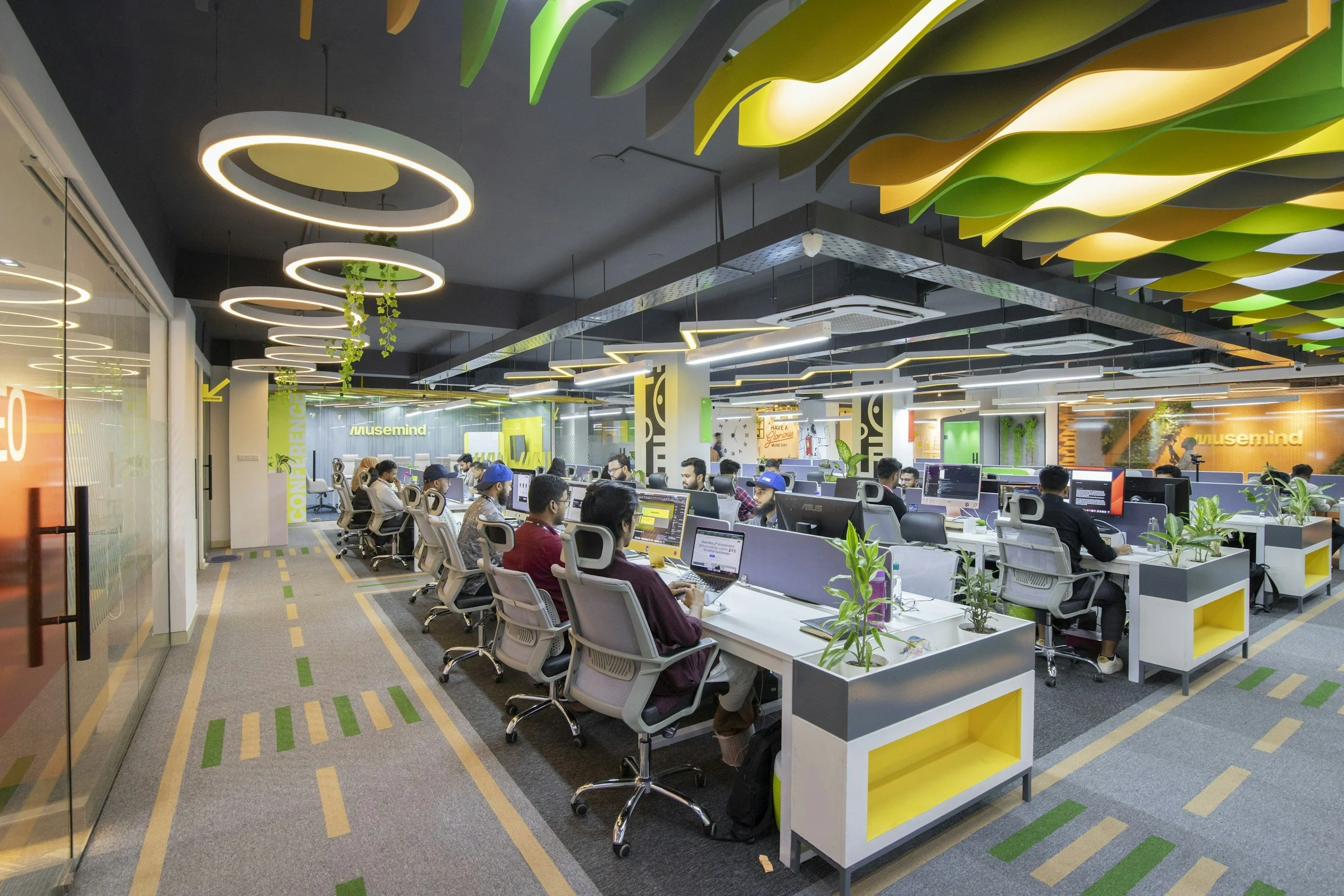
Workplaces
Air and water quality in the workplace should be supported by testing information, rather than remaining solely a matter of claims.

Residential and Living Spaces
From the air people breathe each day to the water they use, the label helps clarify the environmental conditions most directly connected with everyday life.
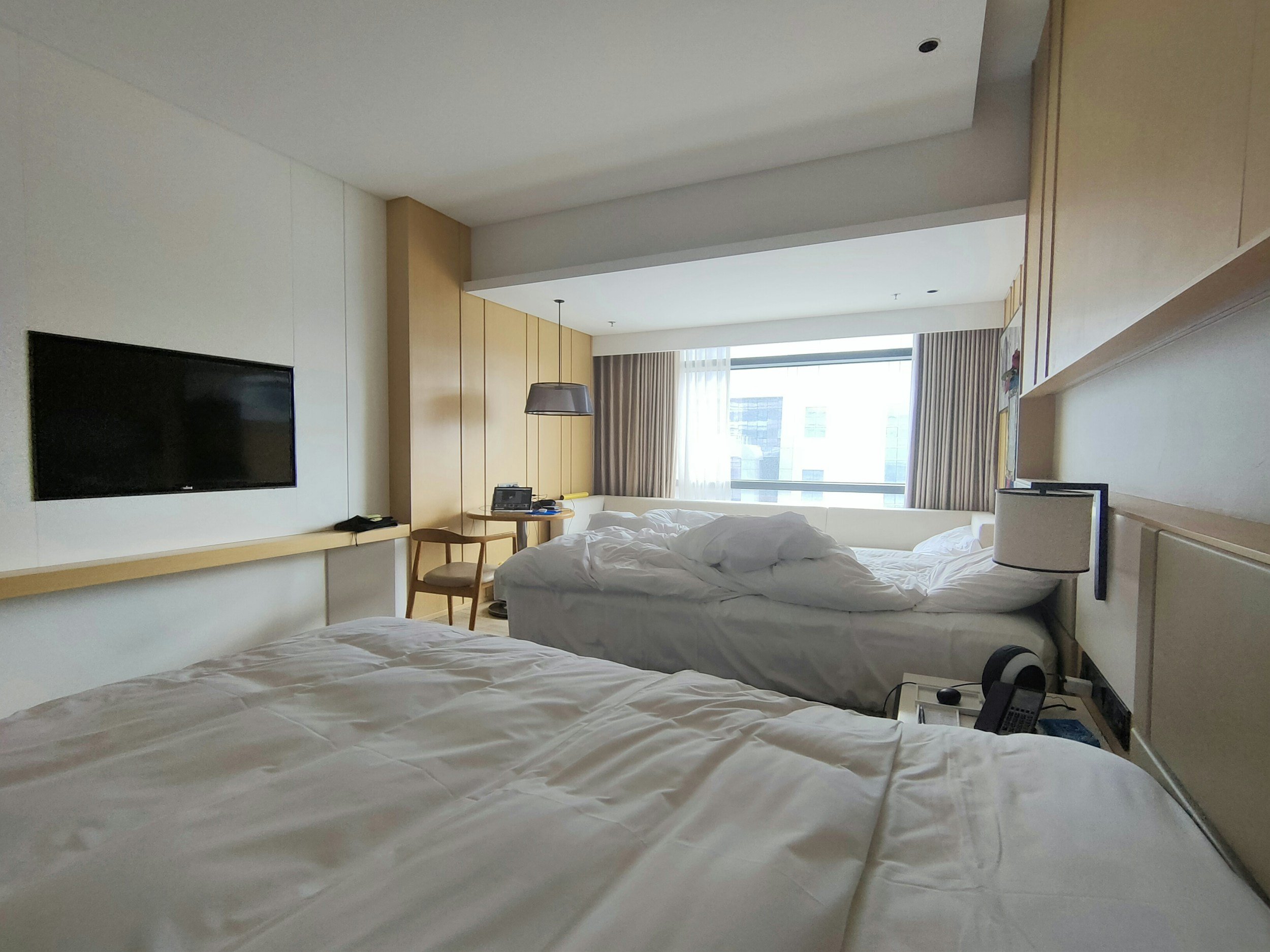
Hotels and Accommodation
Helping guests and space managers understand the air- and water-quality conditions considered within accommodation environments.
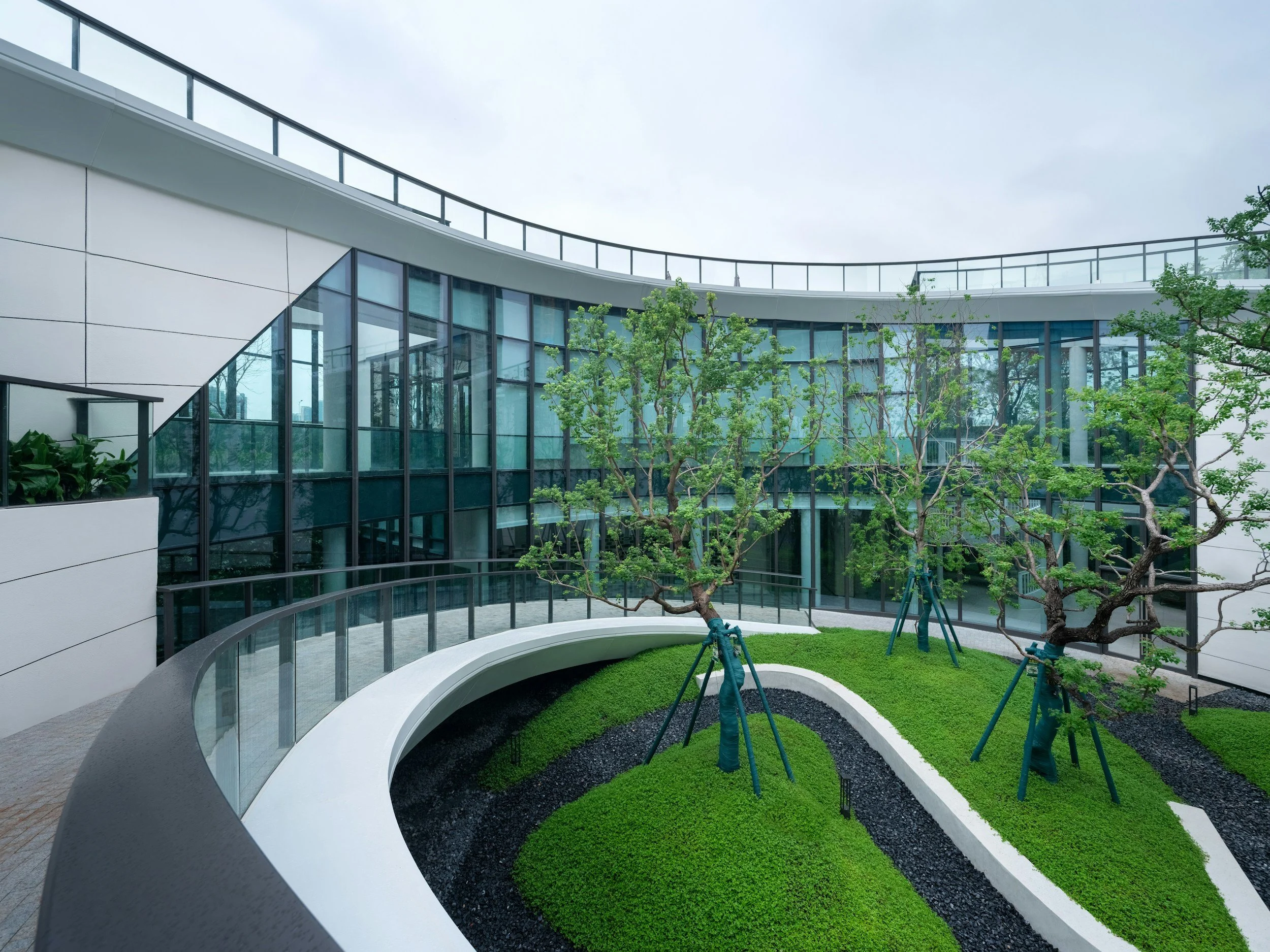
Public and Green Buildings
Creating a clearer information link between building design, environmental management, and the quality experienced during actual use.
- WHAT IS THE AA IEQ CLEAN LABEL?
Turning Invisible Environmental Quality into Understandable Evidence
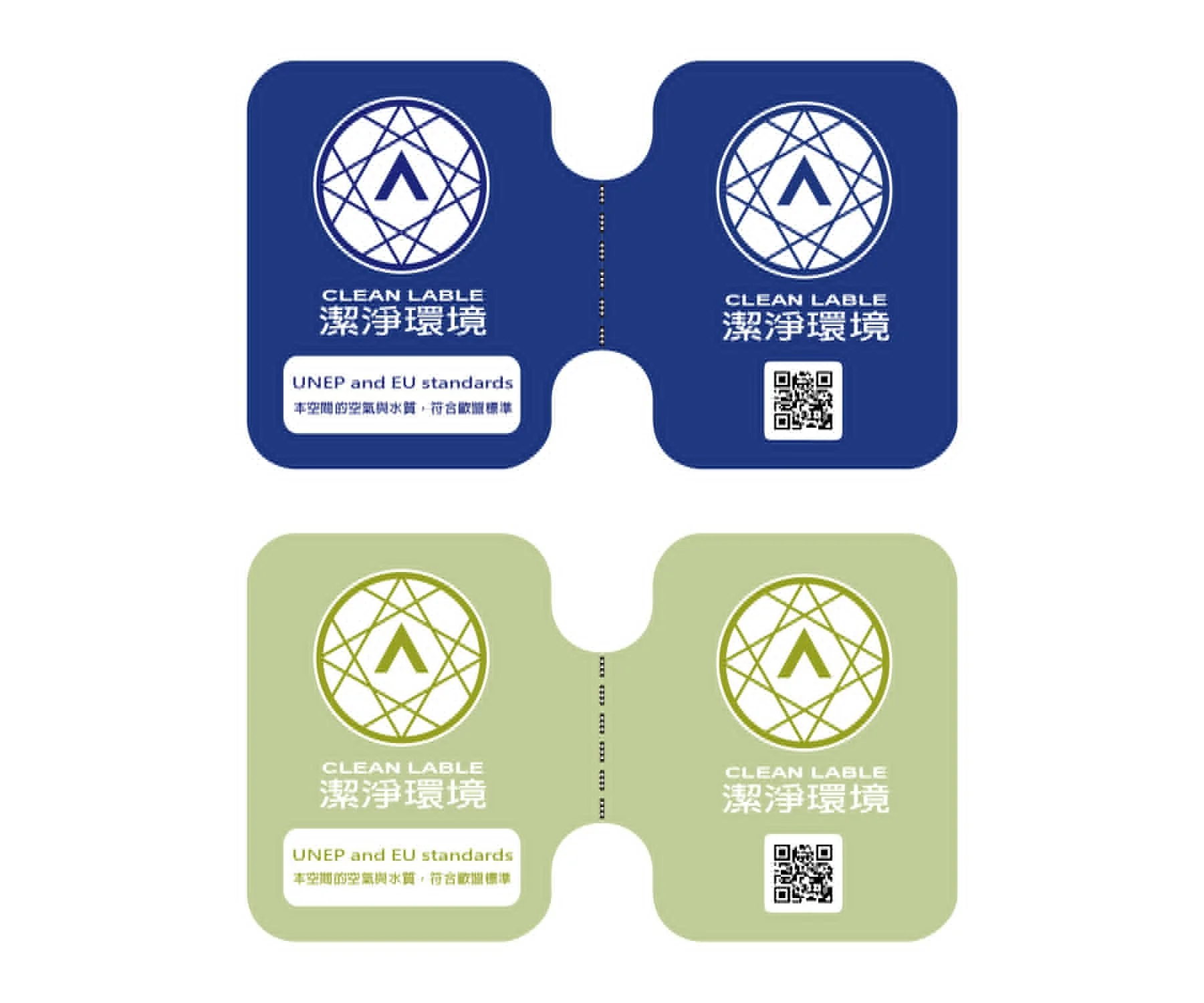
The AA IEQ Clean Label is centred on indoor environmental quality and focuses on the air and water that people actually encounter while using a space.
Through professional testing, systematic data organisation, and evaluation against defined standards, the label helps explain the environmental quality performance of a specific space within its certification scope. It also enables users to understand what was tested and the basis on which the results were assessed.

AIR QUALITY
Understanding the Indoor Air We Breathe Every Day
Indoor air quality is affected by many factors, including the use of the space, occupant activities, ventilation conditions, building materials, equipment, and the outdoor environment.
Through professional testing, the Clean Label examines relevant environmental indicators within a space. The data are then interpreted according to the test results and applicable standards, helping users understand the actual state of indoor air quality.

WATER QUALITY
Understanding the Quality of Water Used in Everyday Life
Water quality cannot always be fully assessed by appearance alone. Different uses may also involve different testing parameters and quality requirements.
The Clean Label conducts relevant testing of water used within the certification scope. Based on the test data and applicable standards, it explains the environmental significance of the water-quality results.
HOW IT WORKS
From On-site Testing to Certification Results People Can Understand
The Clean Label is not based on a single value or a one-time judgement. It is a complete information process that brings together the defined space, testing data, and assessment against applicable standards.
01|Define the Space and Scope
First identify the space, conditions of use, and testing scope covered by the certification so that the information has clear boundaries of applicability.
02|Organise and Interpret the Data
Organise and interpret the test results in accordance with relevant methods, standards, and certification requirements.
03|Conduct Professional Testing with Appropriate Equipment
Obtain air-, water-, and related environmental-quality data in accordance with the testing plan.
04|Laboratory Analysis
Determine and analyse appropriate samples according to the relevant testing categories.
05|Present the Certification Information
Use the Clean Label and related information to explain the certification scope, assessment basis, and results for the space.
Actual testing content and certification requirements are governed by the conditions of the space, applicable criteria, and officially issued documents.

- STANDARDS & BASIS
Standards Have Sources. Assessments Have a Basis.
The environmental quality represented by the Clean Label is not merely a self-declared claim. Testing parameters, data interpretation, and certification requirements should be supported by professional references that can be explained and consulted.
This website will organise relevant testing methods, regulations and criteria, certification requirements, and standards for certified spaces, helping users understand where the information comes from and the scope to which it applies.
Testing Methods Can Be Explained
Explain how the data were obtained, what the testing addresses, and how the results were organised.
Assessment Criteria Can Be Traced
Clearly identify the cited regulations, standards, issuing bodies, or professional documents.
Scheme Information Is Kept Up to Date
Record relevant document versions and website update dates as regulations, standards, or scheme requirements change.
Cited regulations, standards, and external references are subject to the official versions and latest information published by their respective issuing bodies.
View Regulatory and Standards Sources →
Learn About Certification Requirements →